605-951-6996
605-261-8032
701-330-2264
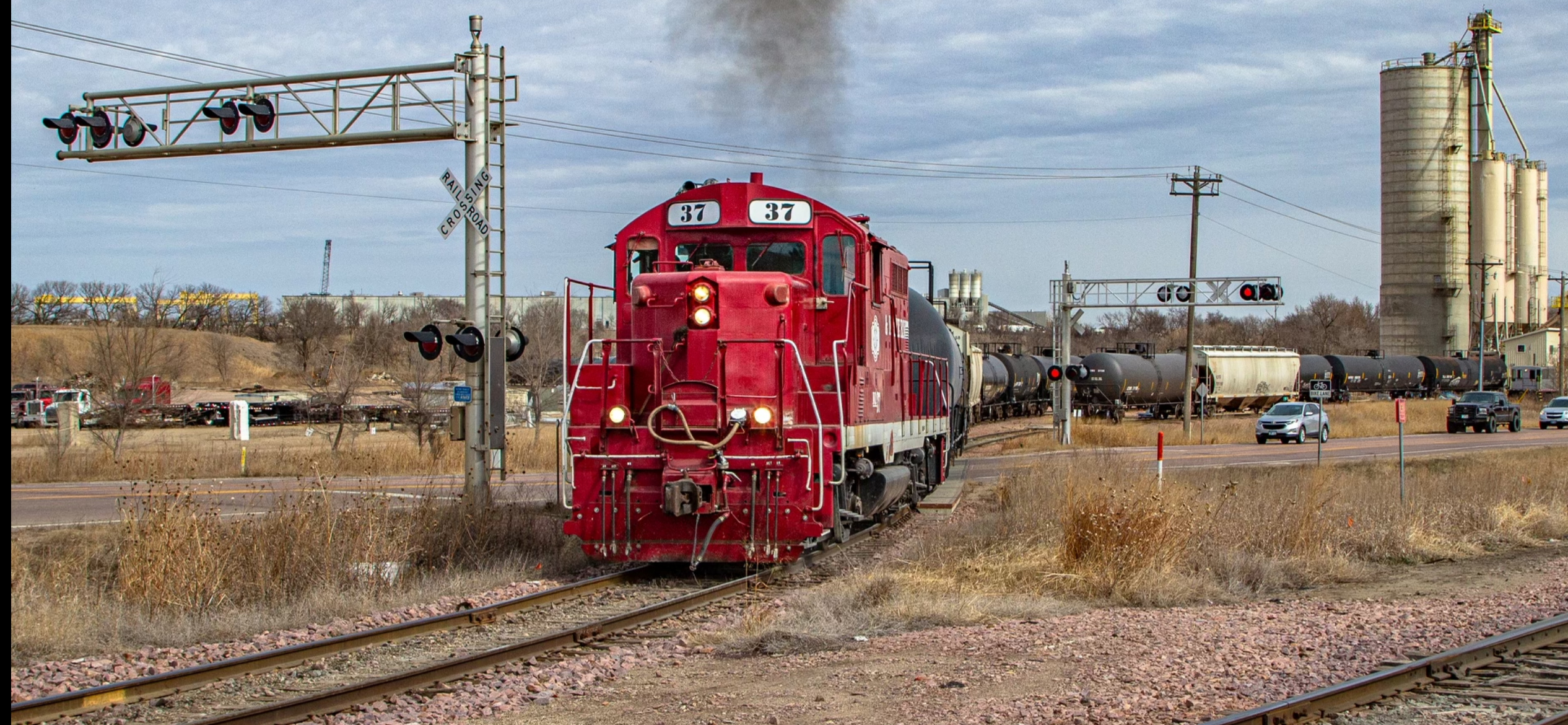
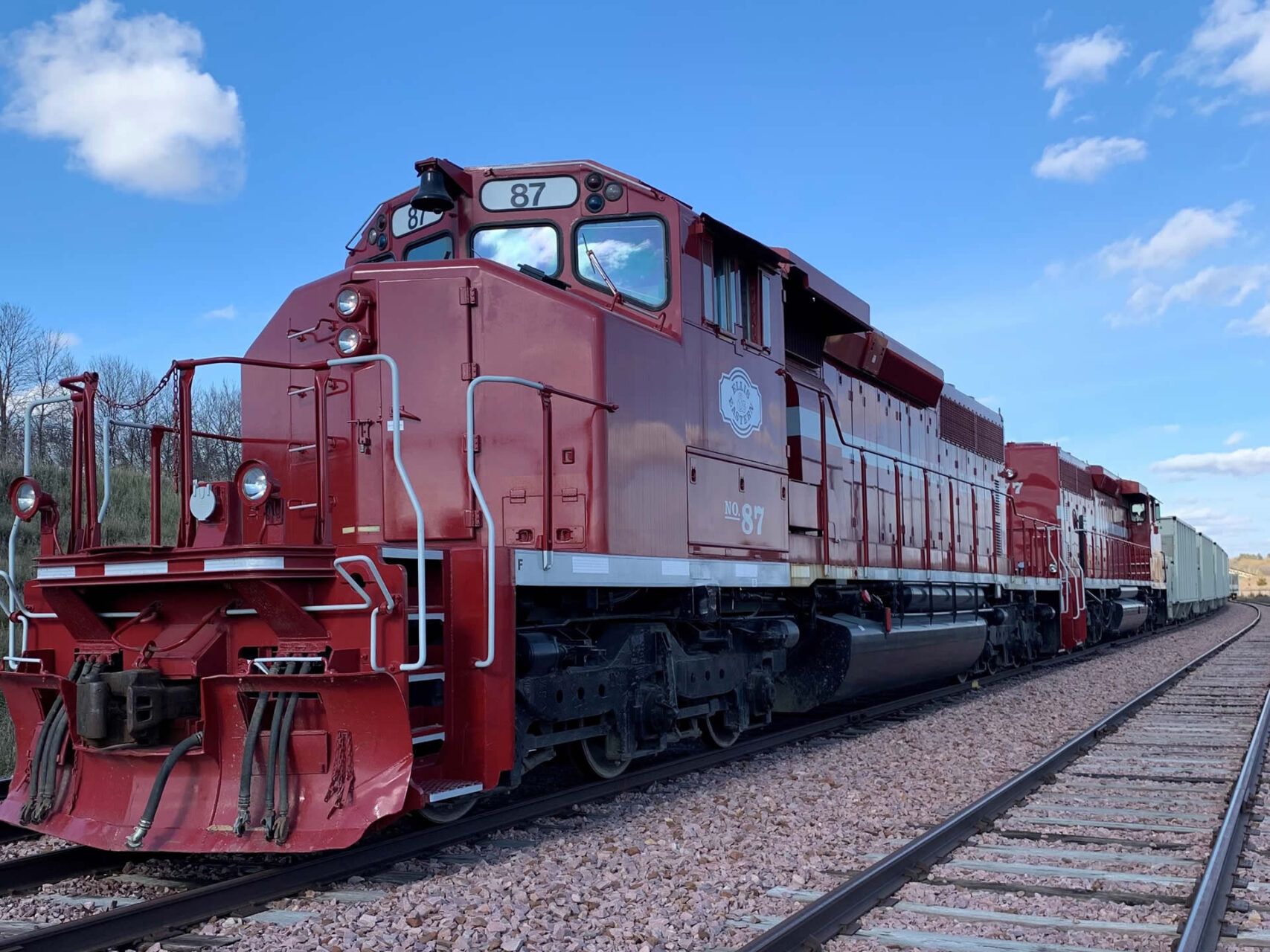
Located in the heart of the Midwest, our extensive rail network boasts over 60 miles of mainline track and connections to two Class I railroads. We service multiple transloading facilities and offer rail car storage options. Our railroad’s mission is to provide efficient and reliable solutions for all your logistical needs.
Originally built in the 1870s, our railroad has a rich history of transporting goods throughout the Midwest. Since its conception, the railroad has expanded to span from Brandon, South Dakota, to Worthington, Minnesota. It services a diverse range of customers, including those in aggregate industries, metal recycling and building materials.
We own and operate the equipment needed to transload your products from rail to semi or truck. Our team is trained, experienced and always safe when moving and loading your materials. We work with a large variety of industries and products/materials.
Cement, fly ash, white cement, catalyst, polymer, aggregates, cedar mulch
Railroad ties, shingles, dimensional lumber, rebar, cedar fencing, aluminum ingots
Concrete admixture, corn syrup, agricultural chemicals
Wind turbine parts, phone poles, tractors, skid loaders, cranes, other construction equipment
Located in the heart of the Midwest, our extensive rail network boasts over 60 miles of mainline track and connections to two Class I railroads in South Dakota and Minnesota.
Using a transloading facility has immediate impacts on your business. Transloading stabilizes the supply chain and reduces raw material cost. We own and operate the equipment to transload your products from rail to semi or truck. Our team is trained, experienced and always safe when working with your materials. We serve customers from four locations: Sioux Falls, SD; Tea, SD; Agate, MN and St. Joseph, MN.
To evaluate transload impact on your business, consider the following:
Do you consume a large quantity of material? One railcar's capacity is approximately the same as four semi-truck loads.
How far is your material's origination? Typically, rail shipments aren't effective until the distance shipped is 300 miles or more.
If the materials being transported have a high density, then the efficiencies of rail transportation become advantageous.
Is the rail available? The supplier/manufacturer of each material must either be rail served or work with a transloader.
Are you interested in learning more about our trans-loading services or starting a project with us? Please do not hesitate to reach out!